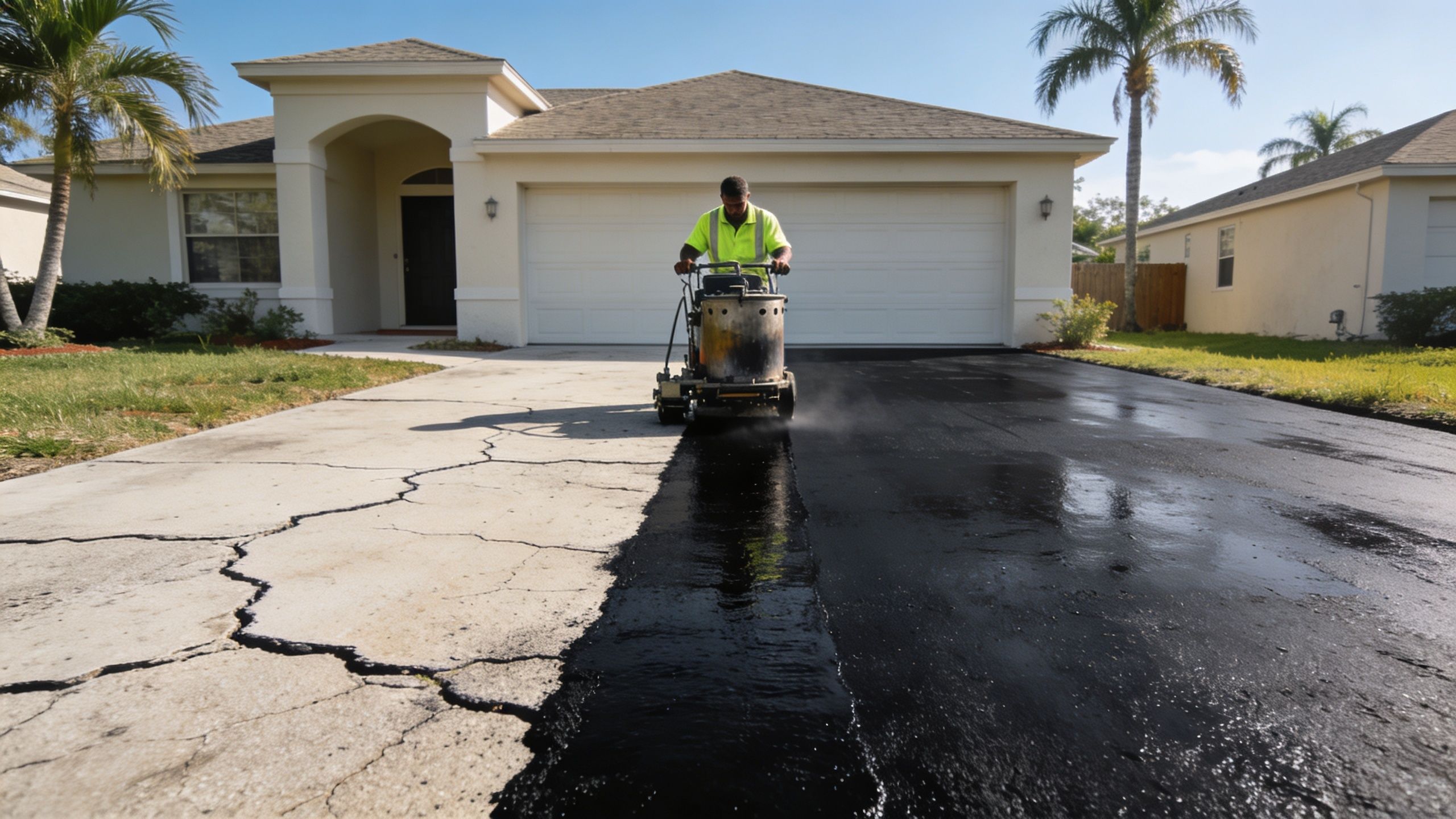
You're probably looking at asphalt that doesn't look terrible yet, but doesn't look healthy either. The color has faded. A few cracks are showing. Water sits longer after a Florida rain, and you're trying to figure out whether now is the right time to call an asphalt sealing company or whether you should wait.
That's a smart question, especially in Marion County, FL and Citrus County, FL, where pavement takes a beating from sun, rain, traffic, and long humid stretches. In places like Ocala, Dunnellon, Belleview, Crystal River, Homosassa, Inverness, Lecanto, Beverly Hills, Hernando, Summerfield, Silver Springs, and The Villages, the biggest mistake property owners make is treating sealcoating like a cosmetic add-on instead of a maintenance decision.
A good contractor should help you decide whether sealing makes sense at all. That matters because the right answer isn't always “seal it.” Sometimes the right answer is crack repair first. Sometimes it's patching. Sometimes it's replacement. As Concrete and Asphalt Experts in Marion and Citrus County, that's how the job should be approached. Look at the whole surface, the traffic, the drainage, and the surrounding concrete features before spending money.
Why and When to Sealcoat Your Asphalt in Central Florida
Asphalt starts aging before most owners think it does. The first sign is usually color loss. That rich black surface turns dull gray, then the top starts drying out, and then rain finds the weak spots.
In Central Florida, that cycle moves faster because the pavement deals with UV exposure, moisture intrusion, and surface oxidation, which are the primary causes sealers are meant to address. The category is large for a reason. The global asphalt driveway sealer market was valued at USD 1.45 billion in 2024 and is projected to reach USD 2.10 billion by 2032, according to asphalt driveway sealer market research. That tells you sealcoating isn't fringe maintenance. Property owners use it as a core preservation step.

What local owners should look for
If you own a driveway in Summerfield or Belleview, or manage a lot in Ocala or Crystal River, these are the signs that matter most:
- Faded color means the surface is losing protection.
- Hairline cracks often mean water has started finding entry points.
- Loose surface aggregate tells you the top is wearing down.
- Oil spots and staining can weaken areas that need prep before sealing.
- Drainage trouble around edges or low spots can turn a simple maintenance job into a repair issue.
Those signs don't all mean the pavement is beyond saving. They do mean you should stop thinking of sealcoating as “just making it black again.”
Practical rule: If the asphalt is structurally sound, sealcoating can help slow oxidation and moisture damage. If the pavement is failing, sealing over it won't fix the underlying problem.
Timing matters more than most sales pitches admit
A lot of property owners hear the same message every year. “It's time to reseal.” That's too simple.
The better question is whether the surface is sealcoat-ready. New asphalt usually needs time to cure before sealing, and maintenance products aren't meant to solve potholes, base failure, severe raveling, or larger structural issues. If you want a better sense of maintenance timing, this guide on how often to seal coat asphalt is a useful next read.
A residential driveway and a commercial lot also age differently. A driveway in Summerfield may mostly fight sun, rain, and light turning movements. A busy lot in The Villages or Inverness deals with delivery traffic, tighter turning, braking, fuel drips, and more frequent wear at entrances and stalls.
What works and what doesn't
Here's the plain answer.
| Situation | Smart move |
|---|---|
| Asphalt is sound, fading, and starting to dry | Sealcoating is usually worth considering |
| Small cracks are forming, but pavement is otherwise solid | Repair cracks, then seal |
| Surface has potholes, failed edges, or clear base issues | Repair or replace first |
| Owner wants a quick visual improvement only | Don't hire based on appearance alone |
The best long-term investment is not the cheapest coat of material. It's the right treatment at the right time.
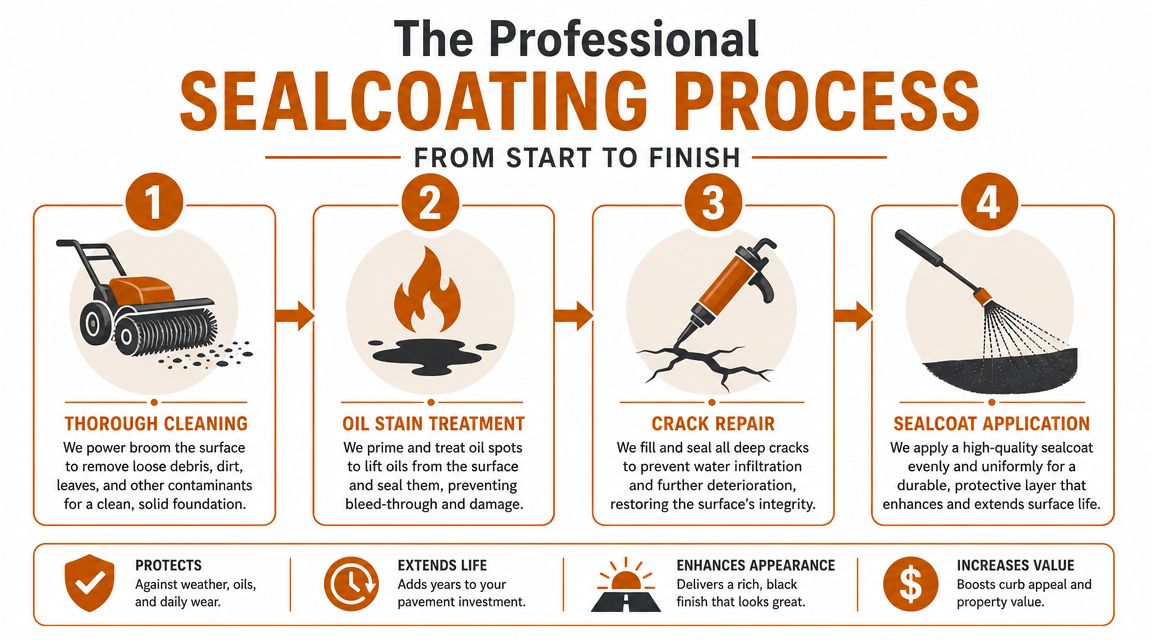
The Professional Sealcoating Process From Start to Finish
A professional sealcoating job should look organized from the first walk-through to the final cure. If the crew shows up with no inspection, no prep plan, and no discussion about crack condition, that's your warning sign.
The process starts with evaluating the pavement, not unloading equipment. Small cracks and bigger failures are not treated the same way. Industry guidance says cracks under 1/2 inch wide are best handled with hot rubberized crack-filling, while larger issues need a different repair approach before any sealer goes down, according to sealcoating workflow guidance.
Inspection and surface prep
The first real job is identifying what shouldn't be sealed yet.
That includes larger cracks, weak edges, low spots holding water, and areas contaminated by oil or fuel. Dirt and vegetation matter too. If grass is creeping into joints or debris is sitting in surface texture, sealer won't bond or wear correctly.
A proper prep phase usually includes:
- Clearing debris so the material can contact the pavement instead of dust.
- Cleaning crack lines so filler goes where it belongs.
- Treating problem spots such as oil-stained areas that need extra attention.
- Protecting nearby surfaces like concrete, curbs, garage aprons, and sidewalks.
If a contractor skips prep, the job may look fine for a short time, then fail where it was weakest from the start.
Crack filling before sealing
Cheap jobs separate from durable ones.
Crack filling is not optional if the surface has active openings. Water enters through those openings first. If the crack should be filled and the contractor just sprays or squeegees sealer over it, the surface may look uniform for a little while, but the problem is still there underneath.
Sealcoating fills microscopic pores. It does not replace actual repair.
That distinction matters on driveways in Beverly Hills and Hernando just as much as it does on busier commercial surfaces in Ocala and Lecanto.
Application and curing
After prep and repairs, the sealer is applied evenly across the surface. The point is to create a protective barrier and fill the small pores that let water work down into the pavement.
On commercial work, lots can often be sealed in sections so businesses stay partially open. That's especially important for retail centers, churches, and office properties that can't shut down fully during operating hours.
A good crew also plans around Florida conditions. Humidity, afternoon rain chances, shade, and traffic access all affect curing. Owners should know when people can walk on it, when vehicles can return, and whether the lot needs restriping after the sealer cures.
What a complete job should include
A full process usually covers more than “apply sealer.”
- Condition review before work begins
- Cleaning and edge prep to remove loose material
- Crack repair where appropriate
- Careful application across the full area or in phases
- Traffic control for driveways, entrances, or lot sections
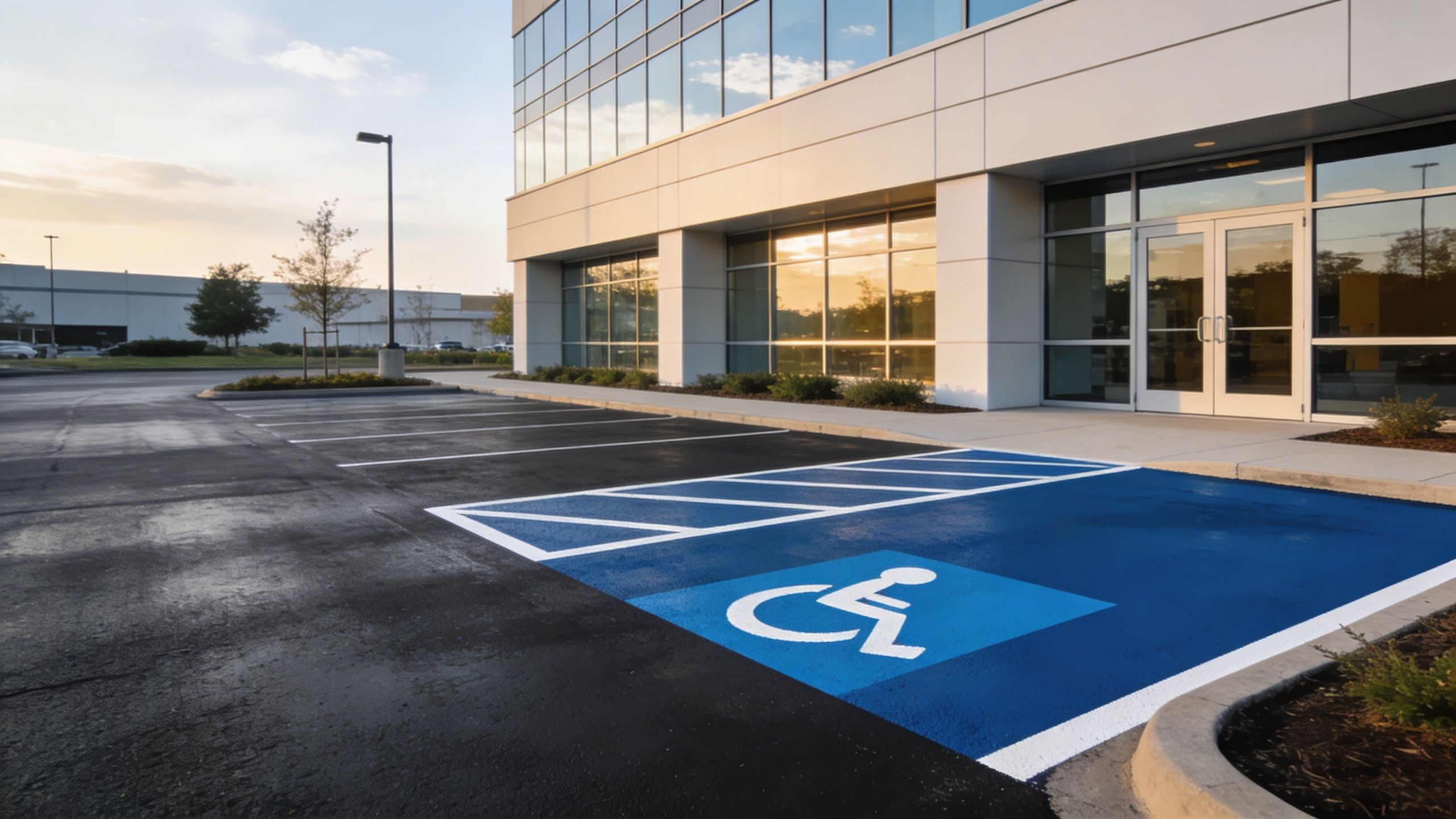
- Re-striping if parking lines, arrows, or ADA markings need to be restored
When you hire an asphalt sealing company, you're not paying for black color. You're paying for judgment, prep, material control, and sequencing.
How to Choose the Right Asphalt Sealing Company in Your Area
A lot in Ocala or Inverness can look fine from the street and still be a bad candidate for a simple sealcoat. That is where hiring mistakes start. Owners get two prices, see a big gap, and assume they are looking at the same job.
They usually are not.
In Dunnellon, Homosassa, and nearby Central Florida communities, a real asphalt sealing company should be able to walk the site, point out problem areas, and explain the scope in plain language. If the estimate stays vague after that conversation, the work will probably be vague too.

What to verify before you hire
Start with licensing, insurance, and local experience. Then go a step further and look at how the contractor thinks.
A good contractor in Marion or Citrus County should understand more than the sealer itself. Driveways and parking lots tie into sidewalks, curbs, ramps, drainage flow, and traffic patterns. If a crew only talks about making the asphalt look black again, they may miss the issues that cost you money later.
Check for these signs during the estimate:
- Florida licensing and insurance so liability is covered if the job affects vehicles, pedestrians, or nearby property
- Local project history in Central Florida, where heat, rain, and site drainage change how work should be planned
- Clear communication about access, curing time, and whether the property needs to stay partly open
- Site awareness that includes concrete edges, ramps, striping, and drainage concerns, not just the asphalt surface
That last point matters more than many owners realize. A company with both concrete and asphalt experience can assess the entire property, spot trip hazards near the pavement, and catch edge failures that a sealcoat alone will not fix.
Ask questions low-bid contractors hate
The right questions save money. They also make it harder for a weak contractor to hide behind a cheap number.
Ask these before you sign anything:
- What prep do you perform before sealing?
- Which cracks will you fill, and which ones need repair first?
- What sealer are you using for this surface, and why is it the right fit?
- How do you handle oil-stained areas that may reject sealer?
- Will you protect nearby concrete, curbs, and landscaping during application?
- How do you control dilution and application rate?
- How do you stage the work if residents, tenants, or customers still need access?
Material control is one of the easiest ways to separate a real pavement contractor from a pickup-and-squeegee operation. In NCAT pavement preservation research, researchers explain that dilution and application rate affect long-term performance. If a contractor cannot give a straight answer on how the product is mixed and applied, that is a warning sign.
For owners comparing several types of site work vendors, not just sealcoating crews, these questions to ask before hiring a concrete contractor can help you vet communication, scope, and jobsite judgment across the board.
A quick walkthrough can help you spot what to listen for:
Green flags and red flags
Owners in Marion and Citrus counties do not need to know every trade detail. They do need to know how to read the room during an estimate.
| Good sign | Warning sign |
|---|---|
| Contractor inspects cracks, drainage flow, and edges | Contractor talks only about fresh color |
| Scope includes prep, repairs, application, and traffic control | Estimate is a lump sum with little detail |
| Contractor explains how access will work during the job | Contractor says they will be in and out fast without a plan |
| Crew notices ramps, sidewalks, curbs, and striping needs | Crew ignores adjacent concrete and pedestrian areas |
One local option property owners in this market may evaluate is Riverside Sealing & Striping, LLC, which provides both asphalt maintenance and concrete work in Central Florida. The name matters less than the process. Hire the company that can explain what your property needs, what it does not need, and why.
Understanding Quotes Timelines and Warranties
A professional quote should tell you what you're buying. If it doesn't, you're not comparing bids. You're comparing guesses.
The weak estimate usually has one number, a short description, and no detail about prep. That's where owners in Lecanto, Beverly Hills, and across Marion and Citrus counties get burned. Two contractors can both say “sealcoat parking lot” and mean very different scopes.
What should be in a solid quote
A useful estimate often breaks the work into parts so you can see what affects the price and the result.
Look for items such as:
- Surface cleaning so you know prep is included
- Crack filling or repairs if the pavement needs more than sealing
- Oil spot treatment where contamination exists
- Sealcoat application with some description of method or material
- Striping or markings if the property is commercial
- Access and scheduling notes if the site must stay partly open
If one bid includes repair and another doesn't, the lower number may not be a better deal. It may just be missing the work your pavement needs.
Cheap sealcoating usually isn't cheap. It just delays the real expense and adds another bill later.
Timelines should sound realistic
A reliable asphalt sealing company should give you a straightforward schedule. That includes the site visit, quote turnaround, projected work date, weather flexibility, and how long the surface needs before use.
For homeowners, the big question is usually vehicle access. For commercial managers, it's tenant disruption and business continuity. If a contractor can't explain staging, cure time, and return-to-service clearly, expect confusion on job day.
In Florida, scheduling also depends on weather windows. Rain risk and humidity aren't side issues. They affect the finish and the cure.
What warranties usually cover and what they don't
A workmanship warranty can be useful, but owners should read the language carefully.
Here's the practical breakdown:
| Usually reasonable | Usually not reasonable |
|---|---|
| Application mistakes | Damage from sharp turns, spills, abuse, or neglect |
| Missed areas or obvious workmanship defects | Failures caused by pre-existing base problems |
| Material issues tied to the installed work | Structural movement outside the contractor's control |
Be careful with broad promises that sound better than they read. If the pavement already has underlying failure, no honest warranty should pretend sealcoating can erase that.
Commercial Properties ADA Compliance and HOA Needs
Commercial sites have a different set of priorities than residential driveways. The surface still needs protection, but the decision also affects customer access, tenant satisfaction, safety, and compliance.
For shopping centers in Ocala, churches in Inverness, schools near Crystal River, or HOA common areas in Hernando and Silver Springs, a sealing project has to be planned around how people use the property.
Access and scheduling for active properties
A good commercial plan doesn't assume full closure. It breaks the lot into workable sections, protects traffic flow, and keeps pedestrians moving safely.
That approach matters for:
- Retail centers that need customer parking during business hours
- HOAs that need resident access without confusion
- Churches and nonprofits that work around event schedules
- Schools and offices that need clear drop-off and parking patterns
Fresh sealer and fresh striping also affect how the property is perceived. Clean markings, visible arrows, and defined stalls make a site look maintained and easier to use.
ADA and site-wide coordination
Parking lot maintenance and ADA compliance often go together. Striping must be legible, accessible spaces must be marked correctly, and the route from parking to the building should make sense.
That's why these projects often overlap with concrete work such as sidewalks, ramps, transitions, and apron improvements. An asphalt-only mindset can miss the full compliance picture. A site may have newly striped spaces but still have a concrete access issue nearby.
Property managers who need a better understanding of markings and layout can review these ADA parking lot striping requirements.
Field note: The best commercial maintenance plans are built around inspection and targeted work, not automatic resealing on a fixed script.
For commercial managers, the decision also reaches beyond appearance. Concerns can include VOC regulations, slip resistance, and long-term cost of ownership, and a plan built around inspection and targeted maintenance can be more useful than a blanket “reseal every year” approach, as discussed in commercial sealcoating considerations for property managers.
What HOAs and managers should ask for
Instead of asking only, “What's your price?” ask for:
- A phasing plan for access and traffic control
- A striping review for ADA and directional markings
- A site walk that includes adjacent concrete issues
- A maintenance recommendation based on condition, not habit
That's how commercial owners protect both appearance and liability.
Frequently Asked Questions About Asphalt and Concrete Care
Should I seal asphalt or repair it first
If the pavement is structurally sound, sealing may make sense. If it has base failure, severe oxidation, large potholes, or major distress, repair comes first. Sealcoating is a maintenance treatment, not a structural repair, and the Asphalt Institute guidance summarized by this pavement maintenance discussion makes that point clearly.
Can an asphalt sealing company also help me spot concrete problems
Yes, and that's valuable. On many properties, the asphalt isn't the only issue. Driveway aprons, sidewalks, curbs, ramps, and patio or entry concrete can affect drainage, trip safety, and overall appearance. That's why it helps to work with Concrete and Asphalt Experts in Marion and Citrus County instead of treating each surface in isolation.
What should I do before the crew arrives
Make sure vehicles are moved, access questions are settled, and any irrigation concerns are mentioned ahead of time. If it's a commercial site, notify tenants, staff, or residents early. Good prep from the owner helps the contractor protect the schedule and the finish.
What should I do after the work is done
Follow the access instructions exactly. Don't let people or vehicles back on the surface early just because it looks dry from a distance. If the project includes new striping, keep traffic off until the contractor says the area is ready.
Does sealing make sense for every property in Central Florida
No. It makes sense when the asphalt is still a good candidate for preservation. It does not make sense as a cover-up for failing pavement. In Marion County, FL and Citrus County, FL, the smart move is a condition-based decision, not a generic sales pitch.
If you want a practical evaluation of your driveway, parking lot, sidewalks, or striping needs, Riverside Sealing & Striping, LLC offers free, no-pressure consultations for property owners across Central Florida. If the right answer is sealcoating, they can tell you. If the right answer is concrete repair, asphalt repair, or a staged maintenance plan, they can tell you that too.